TGD Insights
Brand Efficiency: Doing More, Faster
October 9, 2025

Modern marketing teams face increasing pressure from donors, boards, and communities. There's a constant demand for more frequent and impactful communication, all delivered with speed and professionalism. This growing expectation often clashes with shrinking budgets, forcing marketing and communications teams to achieve greater results with fewer resources.
Achieving More with Less: The Power of Brand Efficiency
The true value of design and branding is frequently underestimated, or at least misunderstood. Many leaders wrongly view the brand as merely a logo and color scheme, but with proper implementation, a brand functions as a core asset and tool that actively saves time and reduces costs.
When working properly, this is what we call brand efficiency: the quantifiable savings in time, money, and staff energy that result from implementing a comprehensive brand system and the tools to support it.
The full system includes clear guidelines, versatile templates, and robust governance. With such a system in place, communication no longer requires reinvention for every campaign or report. Staff can work more quickly, review processes are streamlined, and all outputs achieve greater consistency. For organizations operating under significant pressure, this strategic shift is absolutely essential.
The Cost of Doing Business Without a System
Donors want proof of lean operations, boards want efficiency, and members expect professional-looking communications across all channels. Small or overstretched teams often struggle to keep up. Without clear systems, inefficiency spreads. Each flyer or email campaign is designed from scratch. Social media graphics are improvised by staff who may not have design expertise. These delays consume time, waste money, and drain staff morale.
When a brand is treated as infrastructure, the opposite happens. Tools are created once and then reused multiple times. Decisions that used to bog down projects are already embedded in templates. Work moves faster, teams feel more capable, and the brand becomes stronger with every consistent output.
Why Investing in Structure Pays Off
The most obvious benefit of a strong brand system is financial. Templates for standard outputs, such as presentations or whitepapers, prevent repeated one-off design costs. Clear guidelines reduce the rounds of revisions that can make even a small project expensive. An upfront investment in building the system is offset quickly by savings across dozens of projects.
Staff time is saved as well. When staff can open a template and adapt it in minutes, they reclaim hours that would have been lost to formatting or recreating assets. Across an entire organization, these reclaimed hours add up to weeks of productivity each year, relieving the pressure of tight deadlines. That time can then be spent on fundraising, donor cultivation, and/or community outreach.
Decision-making becomes faster, too. Clear standards remove ambiguity. Instead of debating fonts or tone, staff and leaders can focus on the substance of the message. Projects move through approvals with less friction, and deadlines become easier to meet.
Finally, consistency strengthens credibility. Donors and partners come to trust an organization that always communicates with clarity and professionalism. Every consistent touchpoint builds recognition and loyalty and produces a tangible return on investment. A stronger, more recognizable brand makes fundraising more efficient, improves open rates of campaigns, and lowers the cost of donor acquisition. That trust and efficiency are what turn one-time givers into long-term supporters while ensuring that every dollar invested in communication goes further.
What It Looks Like in Practice
A comprehensive brand is the foundation. It should include not just visual elements but also guidance on tone, voice, and message hierarchy. Templates for newsletters, reports, presentations, and campaign materials should be easy for non-design staff to use and navigate. An organized library of assets, including logos, photography, and icons, ensures that staff have what they need at their fingertips.
Centralizing assets in a brand portal, a digital asset management (DAM) system, or a carefully structured shared drive ensures that everyone can quickly locate the correct file. A system stored in scattered email attachments or outdated folders will not work. If staff cannot find the right tools, they will create their own, and consistency will disappear.
Templates are powerful because they spread efficiency beyond the communications team. A fundraiser can personalize a donor letter, a program manager can produce a flyer, and a volunteer coordinator can adapt a social post. Each of these actions keeps the organization moving quickly while staying true to its brand.
Discipline is necessary as well. Systems only work when they are followed. Training for new staff, clear approval processes, and leadership reinforcement make it clear that the system is not optional. Governance prevents drift and ensures the system continues to deliver value.
Emerging tools such as artificial intelligence can add another layer of support. Used carefully, AI can automate tasks such as resizing images, drafting initial content, or organizing digital assets. It is not a replacement for human oversight, but within the guardrails of a brand system, it can reduce friction and save time.
How to Bring It Into Your Organization
Change does not have to be overwhelming. Small, focused changes that give the biggest gains are often the best way to get your team on board. Many organizations begin by creating templates for outputs that cause the most pain, such as social posts or fundraising letters. When staff see the time savings, adoption comes quickly. However, it's important to acknowledge that implementing a brand system is not without its challenges. Saving time over the long term means investing the time and resources upfront, but the potential benefits far outweigh these challenges.
Framing matters when making the case to a board. Branding can be dismissed as cosmetic if it is presented only as design. Framed as efficiency, it becomes easier to support. A robust system reduces costs, streamlines workflows, and enhances fundraising results. Boards respond to operational investments that build capacity. Leaders must stop seeing the brand as decoration and start seeing it as infrastructure.
A Strategic Imperative
Expectations for speed, quality, and digital fluency are rising while budgets remain tight. Organizations that continue to operate without systems will struggle to keep up. Those who embrace brand efficiency will communicate more effectively, build stronger trust, and devote more energy to their mission.
Treating brand as infrastructure reframes it from an aesthetic exercise into a resilience strategy. By adopting this approach, nonprofits create the conditions to do more without overspending or overextending.
Related Case Studies
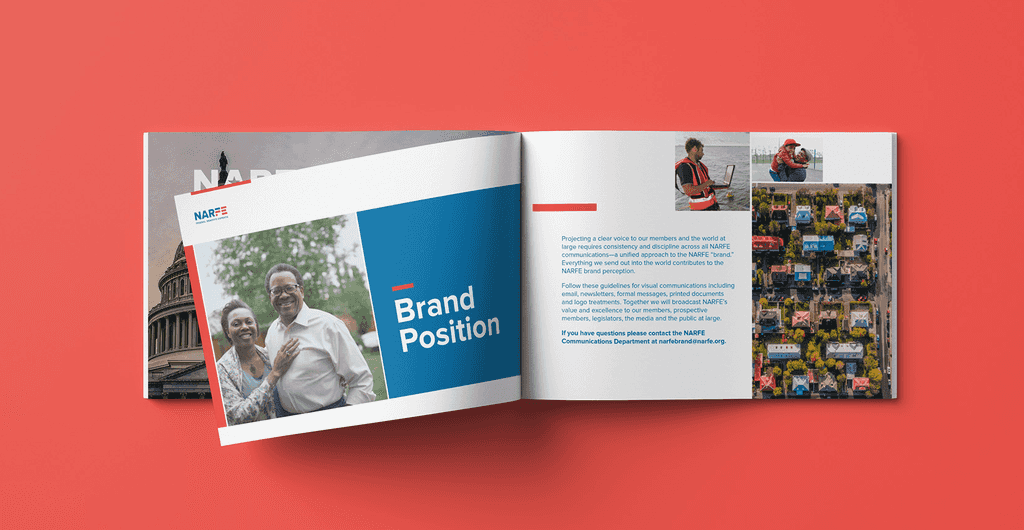
Connecting with All Federal Employees
NARFE is the premier organization for federal employees and retirees, offering expert guidance on federal benefits, advocacy, and resources to support their careers and retirement.
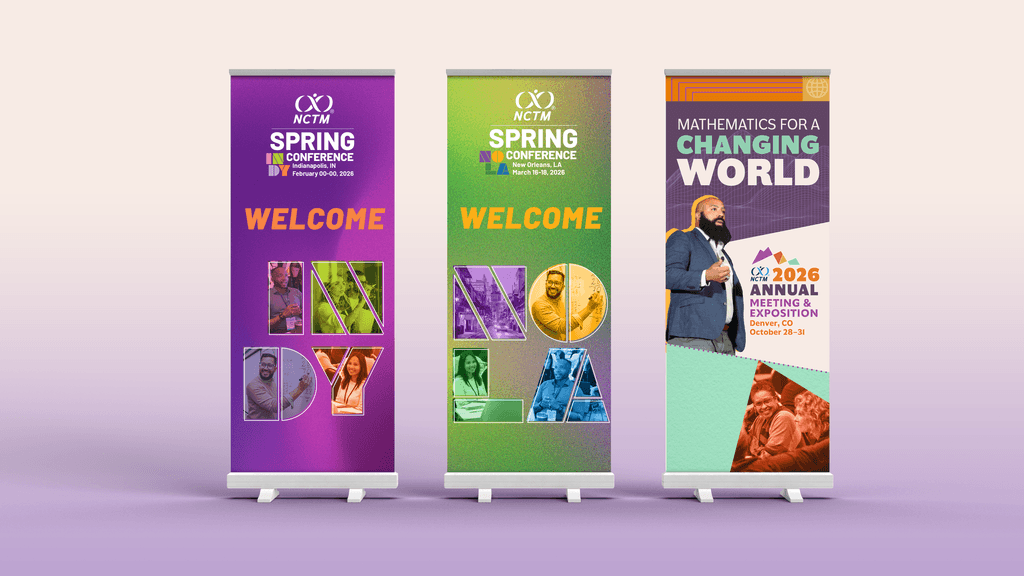
Three Meetings for NCTM
Since 1920, the National Council of Teachers of Mathematics (NCTM) has championed high-quality mathematics teaching and learning. By equipping educators with resources and a supportive community, NCTM fosters professional and personal growth, which ultimately enriches classroom instruction and improves student outcomes.